I didn’t have wealthy parents or large savings, but at the age of 19 I found ways that helped me not only relocate and live in Germany without major investments, but also start earning money immediately.
Hello, my name is Artem Shevtsov. I was born into an ordinary family in Russia, but I had dreamed of living abroad since I was 16. Because I lacked money and other extraordinary advantages that make relocation easier, I searched for alternative ways to make this dream come true.
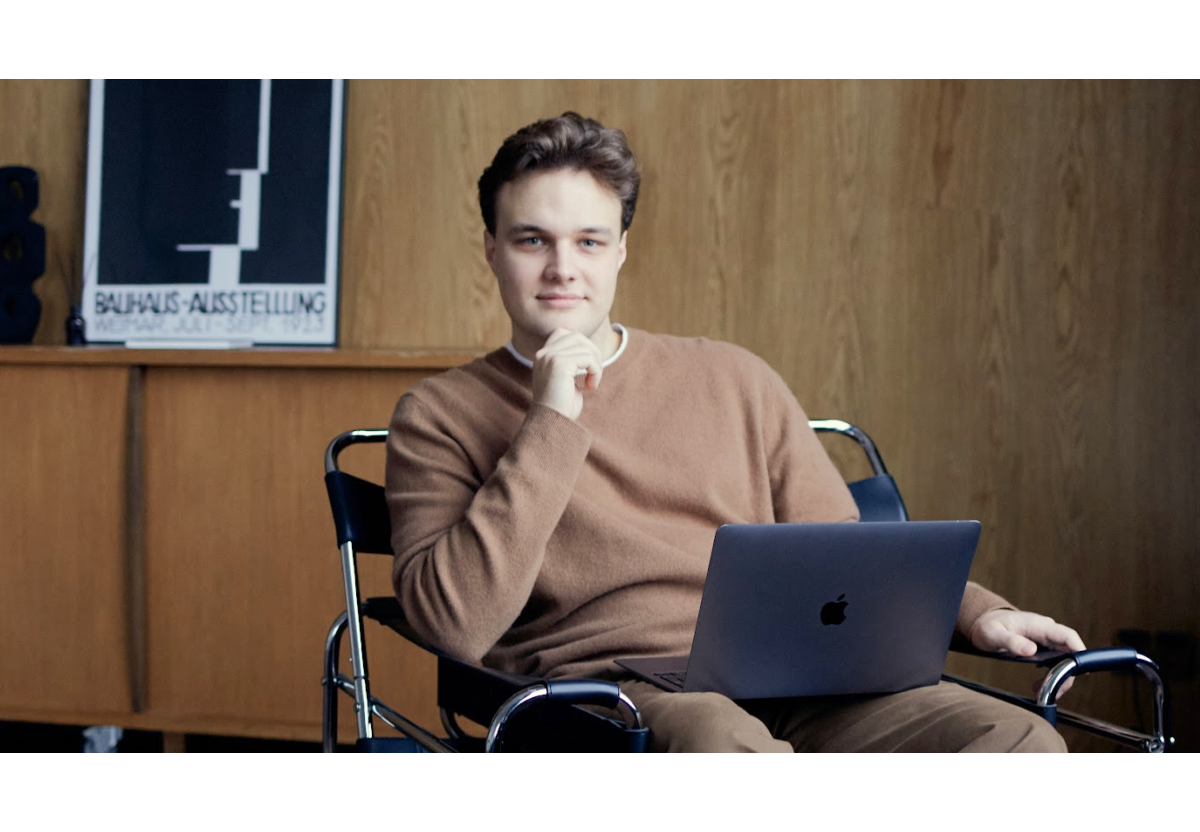
I personally tried several German programs, and now I help others relocate through them while generously sharing important information tested through my own experience.
How did it all begin?
1. The Au Pair cultural exchange program (living with a host family) — becoming a guest in a German family with children
This is the program through which I moved and began my journey in Germany. Its name translates from French as "on equal terms," because the participant and the host family are equals here, and both sides benefit.
The concept is simple: a young person comes from another country to live with a family, help around the house and with the children, and receive payment starting from € 355 per month. At the same time, the host family covers meals, accommodation, insurance, and language courses.
For the participant, this is an opportunity to obtain a visa with minimal requirements, immerse themselves in another culture, learn the language, and adapt to life in the country. Educational background is not important here — I didn’t even have a diploma.
I lived with a family with two children in the city of Lübeck — a brother and a younger sister. My responsibilities included helping around the house, taking care of the children, taking them to school activities, and walking the dog. For this, I received € 300 while having almost no expenses because the family covered all basic needs.
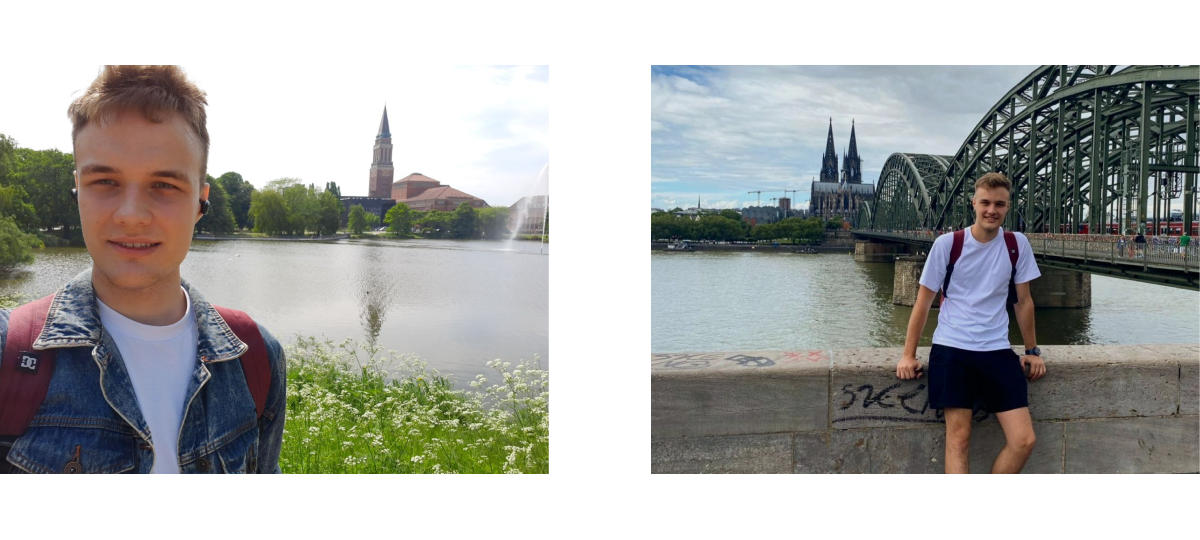
Key points:
• A simple start for young people in Germany
• Age limit up to 27 years old
• No special skills, language knowledge, or higher education required
• Living with a German family
• Paid language courses up to B1
• Monthly stipend
• Health insurance covered by the family
• Opportunity to continue education in Germany or find employment
• Age limit up to 27 years old
• No special skills, language knowledge, or higher education required
• Living with a German family
• Paid language courses up to B1
• Monthly stipend
• Health insurance covered by the family
• Opportunity to continue education in Germany or find employment
One challenge is that misunderstandings with the host family may arise because you live under the same roof constantly. It is best to establish rules and boundaries from the beginning that both sides will follow.
In this post on my Telegram channel I talked more about the Au Pair cultural exchange program and how I handled the challenges of switching to another program.
The most accessible option without age restriction
2.Volunteer programs — private accommodation and up to €1,200 per month
After 5 months of working as an au pair nanny, I launched an operation called: "Stay in Germany at any cost."
The real discovery for me was the state volunteer programs. There are several of them: the Voluntary Social Year (FSJ), the Voluntary Ecological Year (FÖJ), the European Solidarity Corps (ESC), and the Federal Volunteer Service (BFD). The latter has no upper age limit — anyone from 18 years old can participate!
All of them have very low requirements regarding education and language skills: even a 9th-grade school certificate and basic A1 German, which can be learned from scratch in a couple of months, are enough.
Each program involves one year of volunteer work in social, cultural, ecological, or other fields, with the possibility of extending it up to 18 months. And no, it is not unpaid, despite what people usually think about volunteering. Your private accommodation, meals, health insurance, transportation pass, language courses, and up to € 1,200 per month as "pocket money" are covered. Due to their special status, these "pocket money" payments ("Taschengeld") are tax-free.
It is a great way to "try out" life in Germany without major investments. You essentially live at the host organization’s expense and spend your "pocket money" only on yourself.
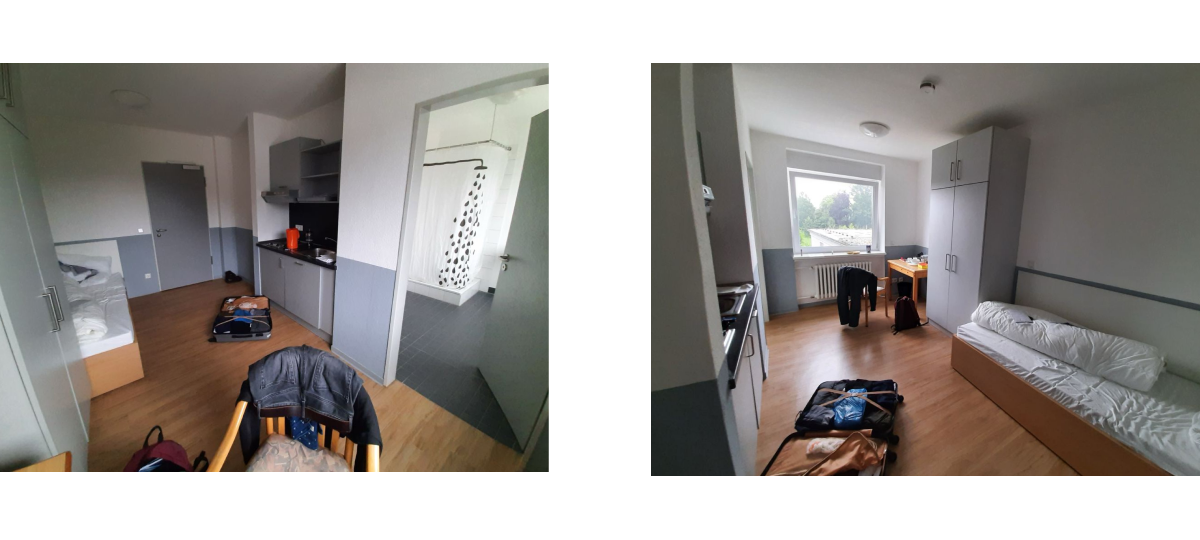
For example, this spacious studio apartment in Nordkirchen was where I lived. I had my own kitchen, separate bathroom, workspace, and bed. Everything was new: the mattress and even the cutlery and dishes. There were also shared spaces on the floor: a coworking area and a room for board games where we celebrated holidays together.
And this is a photo from my trip to Switzerland, which I managed to organize during that time.
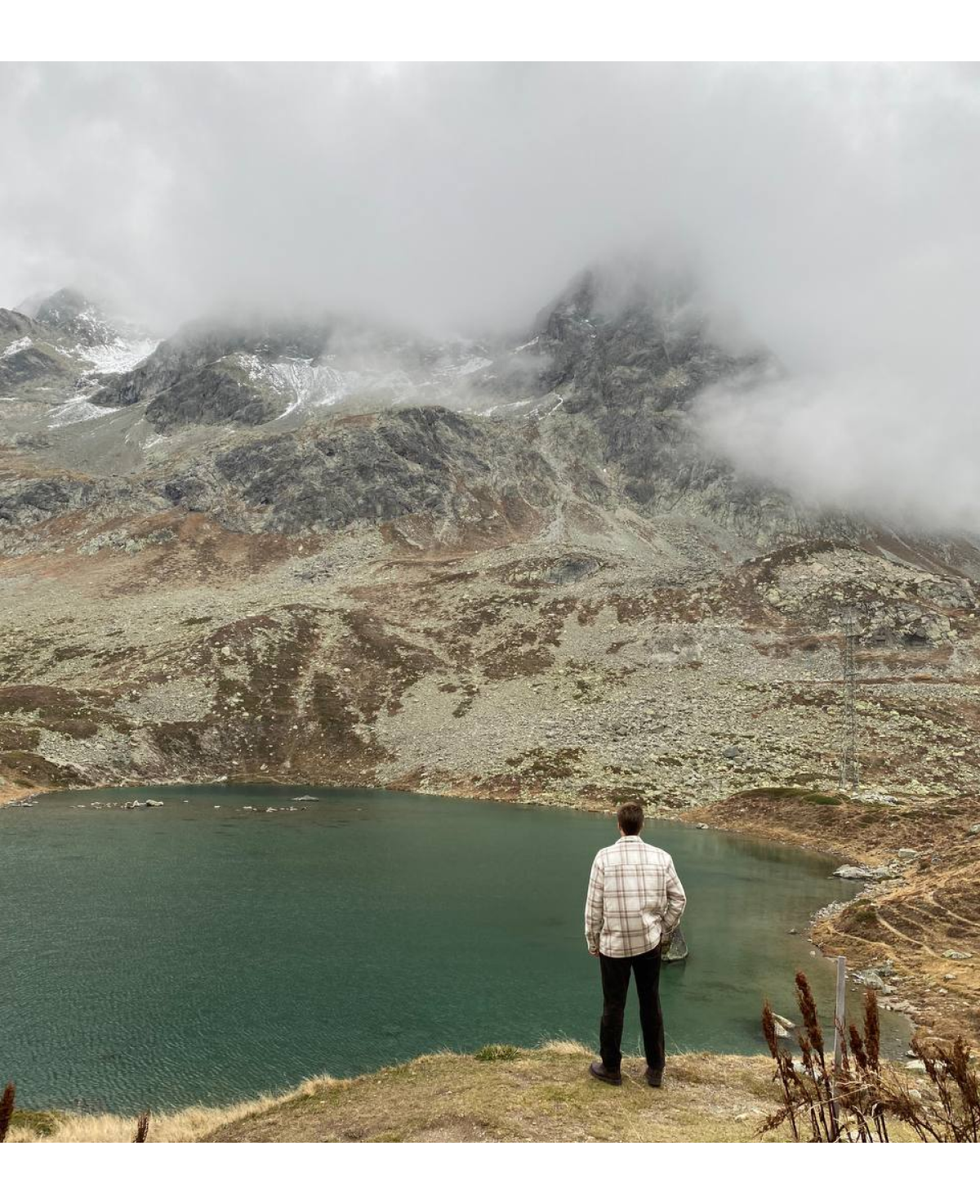
At the same time, I received only € 560 as "pocket money" — not the highest funding amount, and nowadays I help others secure much more.
I wouldn’t describe my work at a boarding school for children with developmental disabilities as difficult: I played with the children, monitored their daily routine, and participated in activities. Usually these included practical lessons in painting, wool felting, and other therapeutic activities. However, the work does take a full 8-hour day, so combining it with something else is unlikely. On the other hand, you get paid sick leave and vacation — mine was as much as 32 working days, not calendar days.
The program offers flexibility:
✅ Besides the social sphere, you can find placements in medicine, culture, sports, education, and even politics
✅ You can quit and leave the job at any time without penalties
✅ You can switch to another status without leaving Germany
✅ You can quit and leave the job at any time without penalties
✅ You can switch to another status without leaving Germany
After such immersion in the environment and language learning, finding full-time employment or enrolling in studies becomes much more realistic. This is exactly what most people I helped relocate usually do in order to stay in the country permanently.
You can learn real stories from these "Stories" videos on YouTube to see how many opportunities volunteering can offer.
Key points:
• National D visa for 12 months
• No age restrictions from 18 years old
• Monthly funding up to € 1,200, tax-free
• Free housing, health insurance, meals, and even language courses
• Volunteer fields: medical, social, cultural, politics, sports, and ecology
• Minimal requirements for language level and education
• Paid vacation and sick leave
• Opportunity to stay in the country and change status without leaving Germany
• No age restrictions from 18 years old
• Monthly funding up to € 1,200, tax-free
• Free housing, health insurance, meals, and even language courses
• Volunteer fields: medical, social, cultural, politics, sports, and ecology
• Minimal requirements for language level and education
• Paid vacation and sick leave
• Opportunity to stay in the country and change status without leaving Germany
I explained each volunteer program in even more detail in the article "The Most Budget-Friendly Way to Move to Germany Without Language Skills or Work Experience."
And what comes after that?
3. The dual vocational education system (Ausbildung) — free education that also pays you
After my personal experience living in Germany, my language level improved dramatically, and I wanted to go further — toward an internationally recognized diploma.
However, I still did not have € 12,000 for the blocked account required for foreigners entering university. So I chose the dual education system, Ausbildung.
This system means that alongside your studies, you immediately receive practical training at a company. The salary ranges from € 800 to € 1,500 per month depending on the profession and city, and it increases every year.
For example, I spent 3 weeks at college and 3 weeks at the clinic for practical training, alternating continuously. This helped me integrate into the profession immediately and gain invaluable experience in the German healthcare system.
In this video I shared how I chose my specialty and how much I earned and spent during my studies.
As a result, I studied for 3 years in the medical specialty "Medical Technologist in Laboratory Analytics (MTLA)" at the Otto von Guericke University Hospital in Magdeburg.
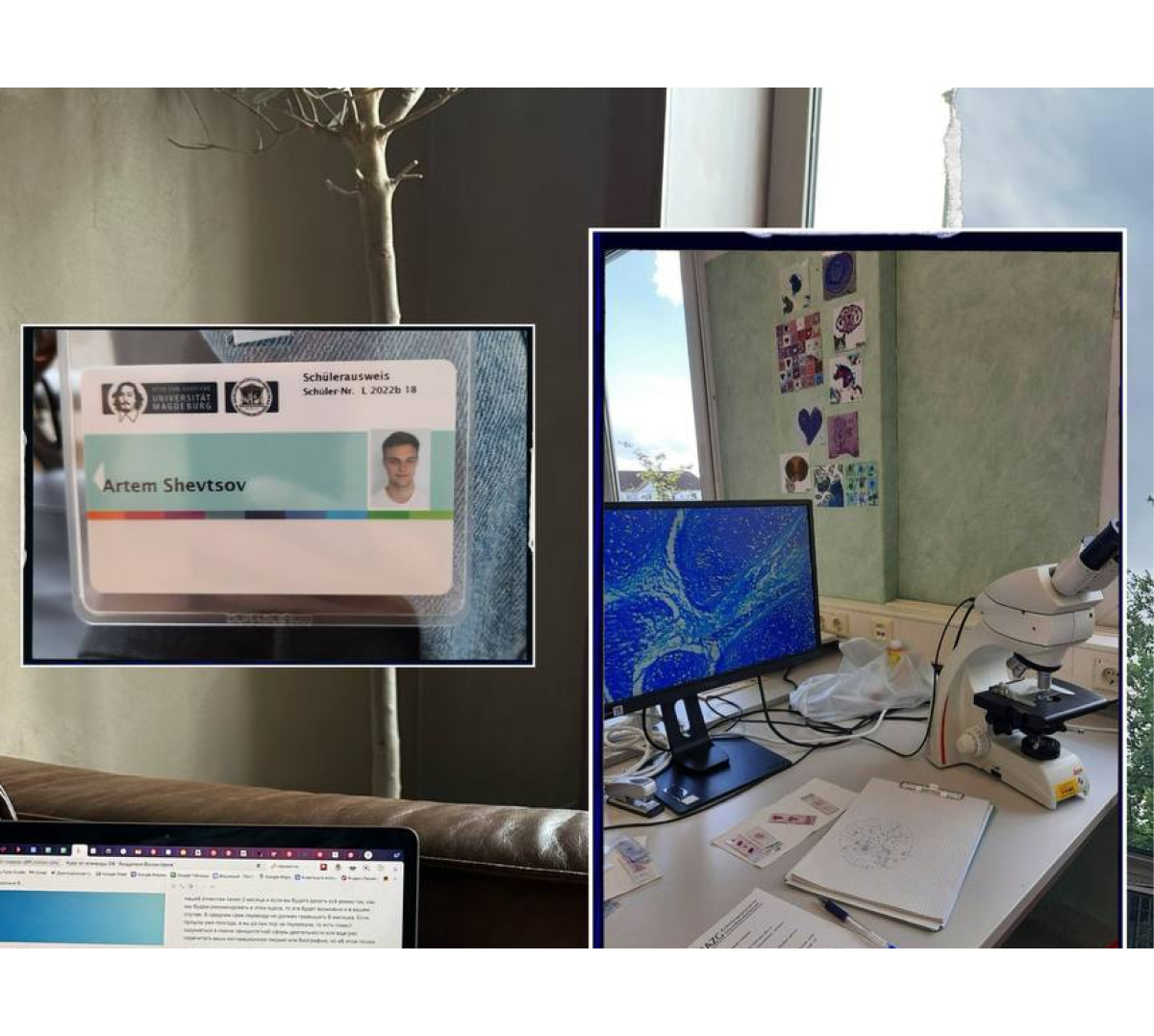
And I received my long-awaited diploma as a medical technologist in laboratory analytics, recognized worldwide!
For those attracted to the stability of the medical field but not interested in becoming a traditional doctor, I analyzed other medical specialties and salaries available through the Ausbildung dual vocational education system in this post.
Main points:
• Free education abroad
• Salary during studies from € 800 to € 1,500 per month
• No blocked account required for admission
• Opportunity to obtain an in-demand profession in Germany: medicine, IT, trade, construction
• German language level B1-B2 and motivation to study required
• After graduation, you can extend your 3-year student visa for another year to search for work
• Real opportunity for employment after graduation
• European diploma recognized worldwide
• Salary during studies from € 800 to € 1,500 per month
• No blocked account required for admission
• Opportunity to obtain an in-demand profession in Germany: medicine, IT, trade, construction
• German language level B1-B2 and motivation to study required
• After graduation, you can extend your 3-year student visa for another year to search for work
• Real opportunity for employment after graduation
• European diploma recognized worldwide
I discussed other ways of getting an education in Germany for comparison in the article "Where and How to Study in Germany for Free: A Personal Experience Breakdown." Choose what suits you best!
What was happening behind the scenes all this time?
From the very beginning of my journey in Germany, I started helping friends and relatives relocate. I prepared visa documents, searched for suitable placements, trained them for interviews, and advised them on how to improve their language skills quickly.
Everyone was shocked when they learned that I had moved to Europe without spending even € 1,000. And on top of that, I received an education for free!
That’s why my schedule quickly became overloaded, and soon I decided to turn this into my professional career. That is how I became the founder of a company helping people relocate to Germany and an expert in migration consulting with 7 years of experience.
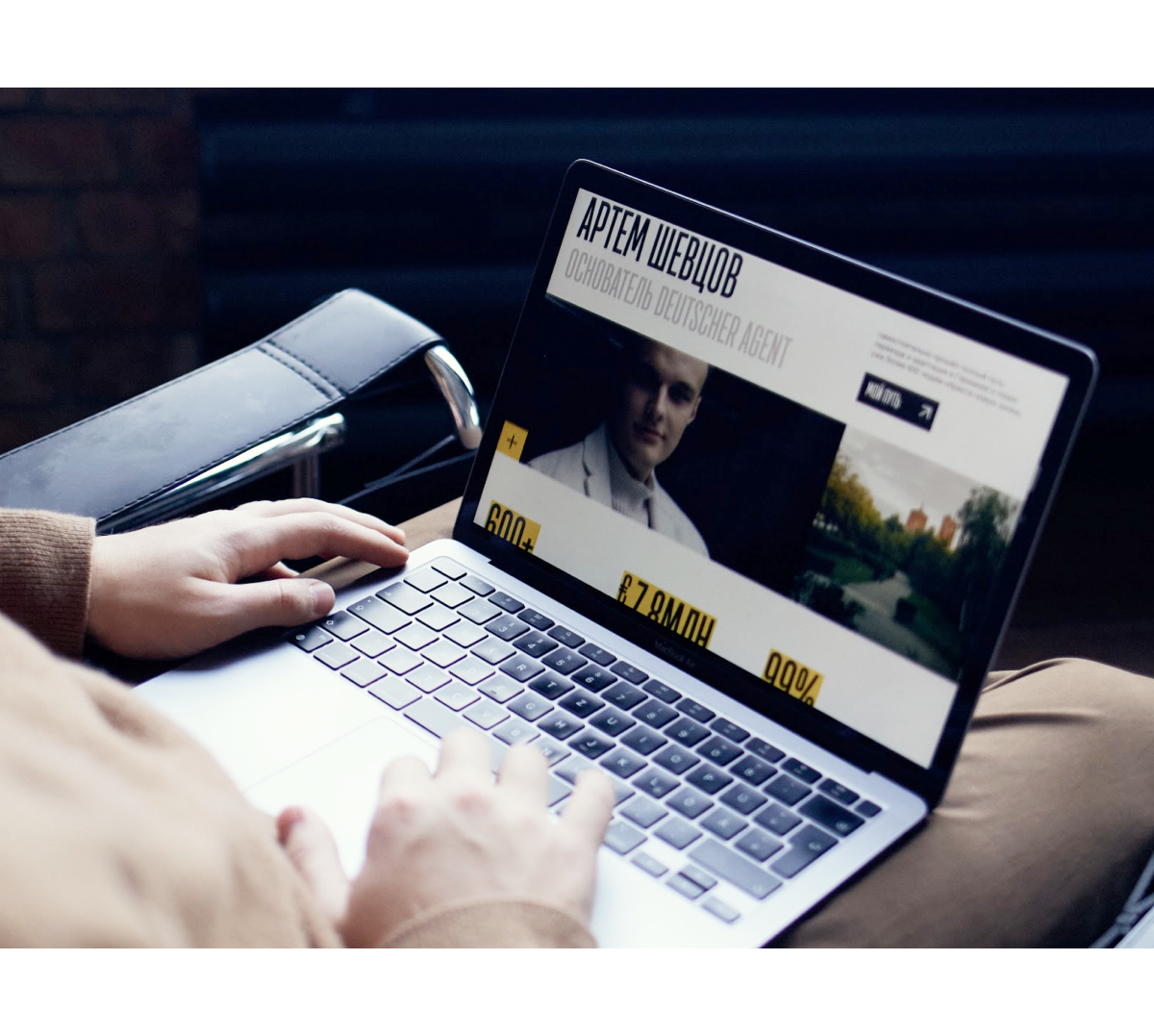
Over time, I built a team of people who had also personally experienced emigration. More than 60% of our employees are my former clients who successfully relocated and wanted to help others achieve the same dream.
Today, we have more than 600 successful relocation cases behind us, and we know exactly what to emphasize in order to secure the best offers with high funding.
But my main mission is to show that moving to Germany is much more realistic than it may seem.
In the pinned message of my Telegram channel you can already get a guide covering all the ways to move to Germany in 2025/2026. It will save you countless hours searching for information, help you understand the exact requirements for each option, and give you an estimate of relocation expenses.
*Owned by Meta — an organization recognized as extremist and banned in the Russian Federation.
